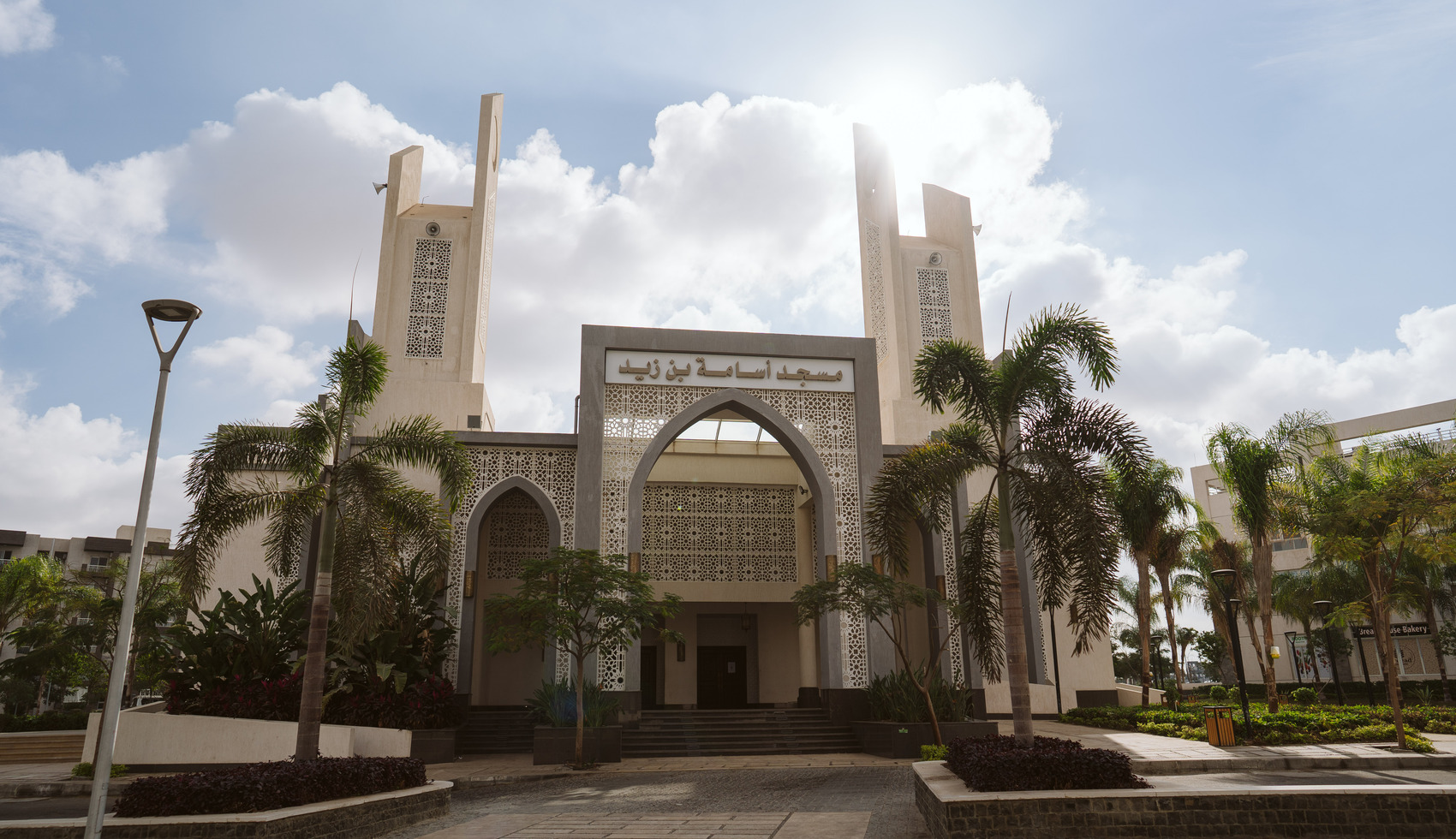
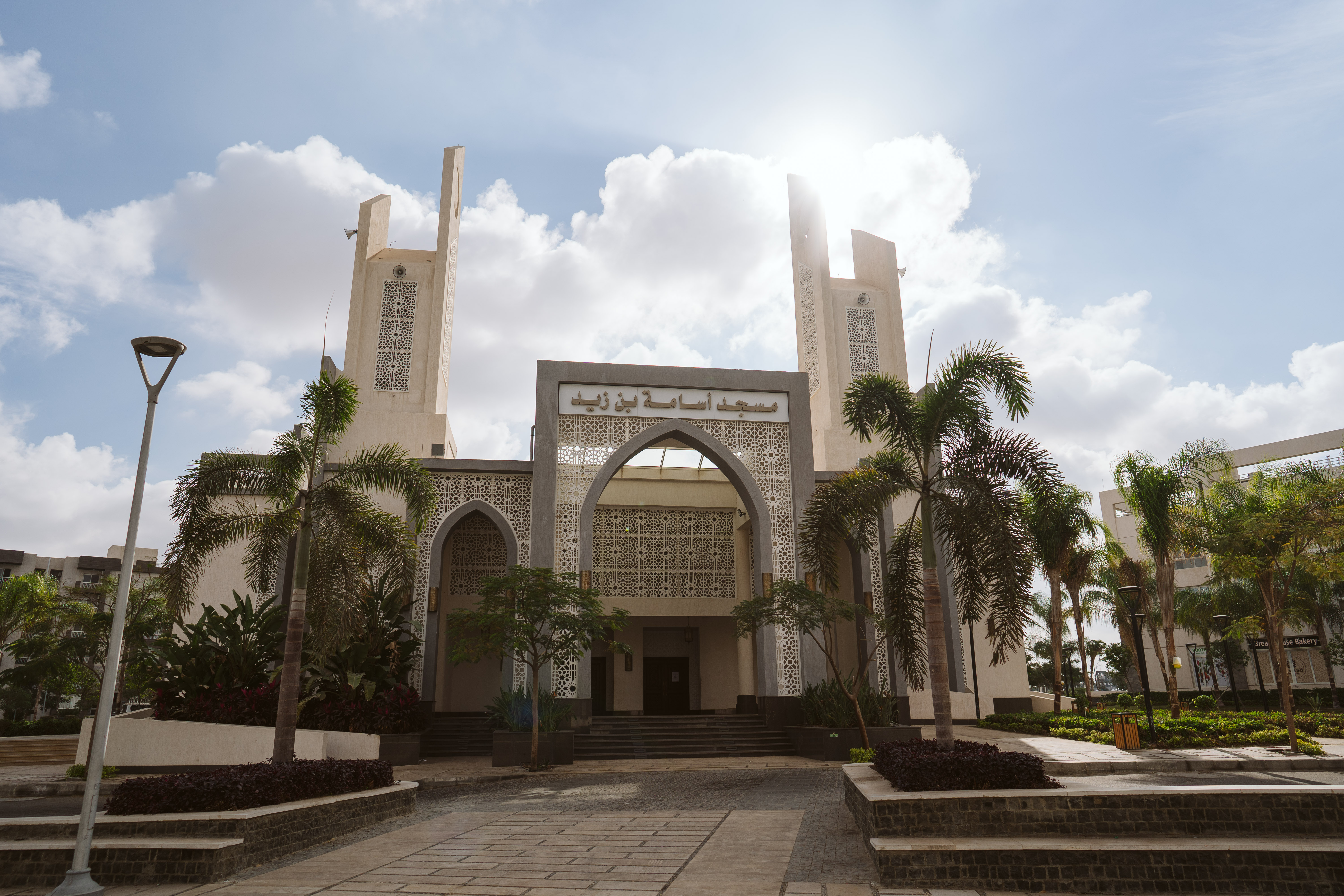
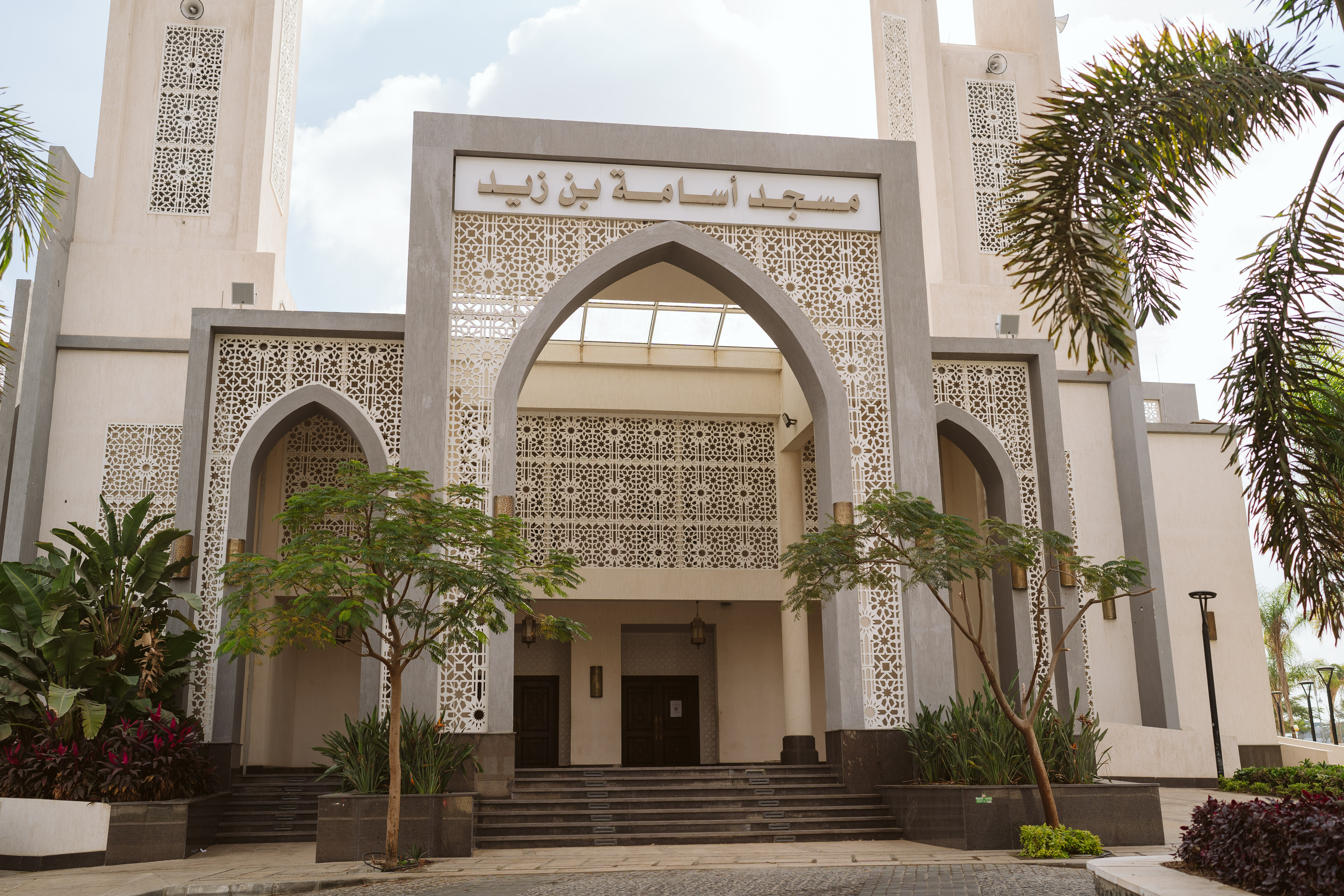
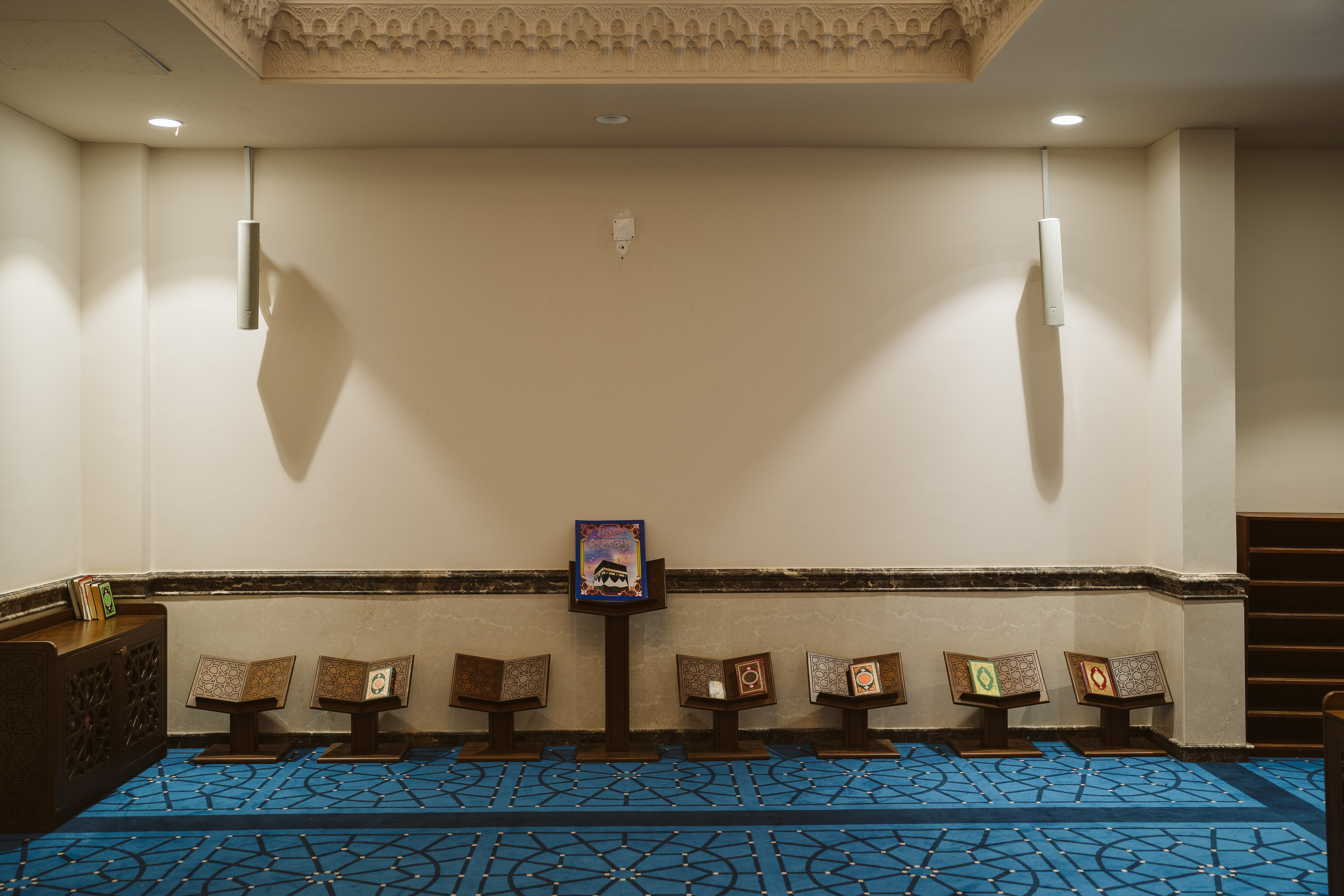

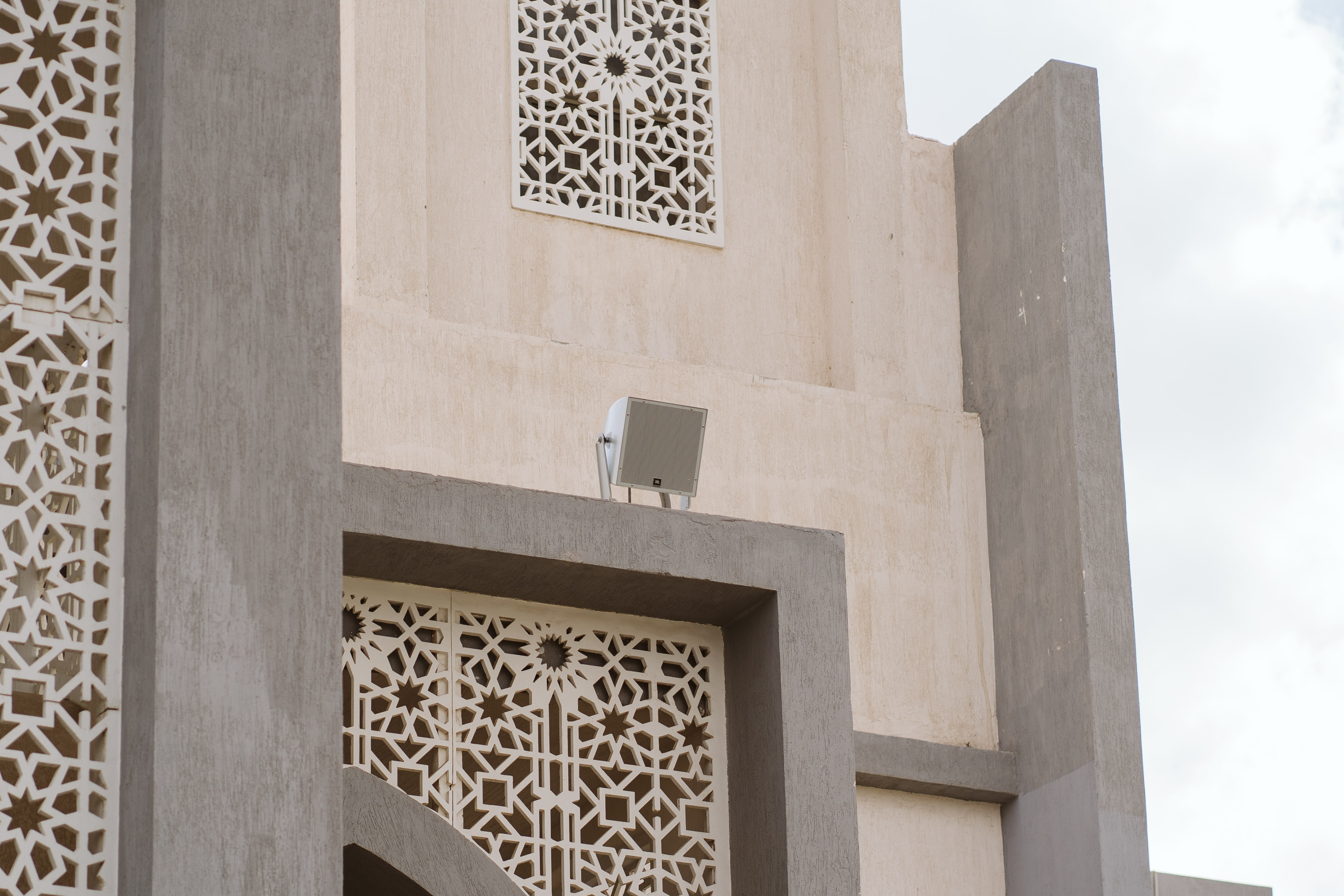
As part of Egypt’s continued investment in building state-of-the-art houses of worship, the Osama Ben Zaid Mosque in New Cairo required a modern audio system that could provide crystal-clear intelligibility for prayers, sermons and community events. With multiple prayer areas, expansive sanctuary space and outdoor gathering zones, the project presented acoustic and architectural challenges that demanded a solution capable of consistency, discretion and reliability.
“The goal for this project was to create a sound environment that reflects the dignity of the space,” said Mario G. Abadeer, Design & Presales Division Head at Audio Technology.
Audio Technology selected a range of JBL Professional loudspeakers powered by Crown amplifiers to ensure clarity and balanced coverage throughout the facility. In the mosque’s main sanctuary, JBL CBT 70J speakers deliver broad horizontal coverage and consistent tonality, while additional JBL CBT 100LA-1 loudspeakers extend projection across the expansive prayer hall.
In the women’s prayer hall, pairs of JBL CBT 50LA-1 column speakers provide targeted coverage while maintaining sonic separation from the main sanctuary. Outdoors, JBL AWC159 all-weather loudspeakers reinforce overflow gatherings and seasonal events, offering warm, intelligible sound as a robust alternative to conventional horn systems.
Driving the system are Crown XLi and CDi Series amplifiers, providing reliable performance and operational flexibility for mosque staff and clergy.
With JBL CBT and AWC loudspeakers powered by Crown amplification, the Osama Ben Zaid Mosque now delivers a worship experience defined by clarity, coverage and comfort across every prayer zone. Indoors and outdoors, congregants benefit from intelligible, distraction-free sound that complements the mosque’s architectural harmony.
“Projects like this prove the power of selecting the right technology for sacred spaces,” added Abadeer. “JBL Professional’s ecosystem gave us the tools we needed to serve the mosque’s acoustic needs while honoring its cultural and religious significance.”

