
As organizations seek scalable video delivery, 1G and H.26x networked AV solutions offer distinct advantages for AV-over-IP deployments. To provide deeper insight, we sat down with Adrian Kirchberger, Senior Application Engineer of Installed Solutions for HARMAN Professional. Adrian breaks down the essentials, compares 1G and H.26x approaches, and highlights how AMX SVSI networked AV solutions like the N2600 Series and N3300 Series—enable flexible, future-ready video systems.
Understanding 1G vs. H.26x in Networked AV Solutions
Q: What’s the main difference between 1G and H.26x solutions for distributing video across a network?
You may also be interested to check out another one of our networked AV design support articles: “Enterprise Networked AV Design: Discussing Converged, Isolated and Hybrid Networks“.
A: The primary distinction is 1G solutions prioritize highest image quality and lowest latency over 1Gbit networks, while H.26x solutions (utilizing H.264 or H.265 compression) are ideal for applications where high-bandwidth 1Gbit network infrastructures are not available, where the number of displays is exceptionally high (e.g. digital signage applications), or where low-bandwidth AV transmission over shared networked or WANs is a necessity.
Q: What applications are best suited for 1G solutions, and where do H.26x solutions really shine?
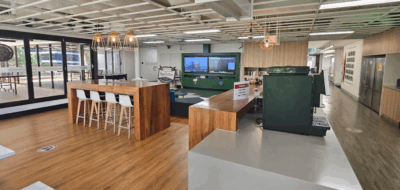
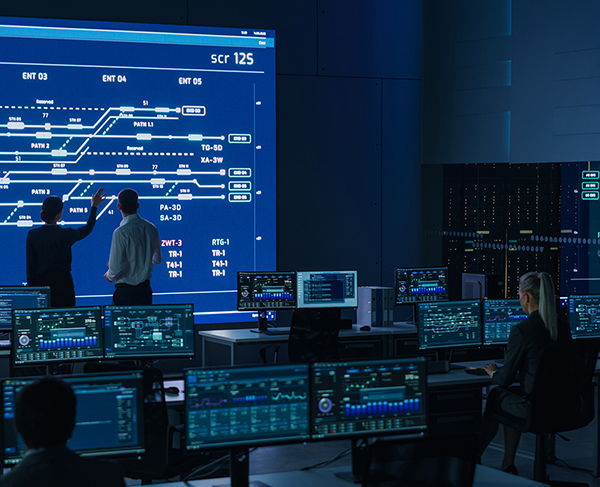
A: Due to its very low latency, 1G solutions are particularly well-suited for workstations with a keyboard and mouse, such as in control rooms and network operations centers. Computers in the data center can be flexibly routed to any workstation with a monitor, keyboard, and mouse. Other ideal applications include bars and restaurants, as well as 4K video presentations in auditoriums, training rooms, and meeting spaces. These are just a few examples of the many 1G solution use cases.
H.26x solutions are great for distributing AV streams over shared LANs, WANs, or the internet. Because they utilize standards-based technologies, they are compatible with a broad range of devices that support this widely adopted video compression standard.
Evaluating Network Requirements and Future Trends
Q: What matters most when evaluating network requirements for 1G and H.26x technologies?

Explore how different streaming codecs were integrated into AMX SVSI Encoders and Decoders to offer a range of compatibility for various applications and requirements.
A: Since this technology operates over a standard data network, we must first determine whether the existing infrastructure meets the requirements for both technologies, or whether a dedicated AV network must be established. An assessment of the necessary bandwidth is also required, not just for individual switches but also for uplinks in use. It is typical for 1G networked AV systems to operate over a fully dedicated network, while H.26x networks usually operate over a shared LAN or WAN (unless there are specific requirements for security or classified operations).
Q: How do you see 1G and H.26x evolving as organizations seek more flexibility in video delivery?
A: In new system designs, AV over IP continues to be favored over traditional technologies for AV switching and distribution, due to its inherent flexibility and scalability. This trend is expected to continue well into the future. For H.26x-based systems, the evolution is toward greater implementation of H.265 compression over H.264, due to its remarkably improved bandwidth efficiency for high-quality 4K video streaming.
Solution Spotlight:
AMX SVSI N2600 (1G) and N3300 (H.26x) Networked AV Solutions
Q: In which applications can the combination of features, performance, and cost-effectiveness in the N2600 Series deliver the greatest value?
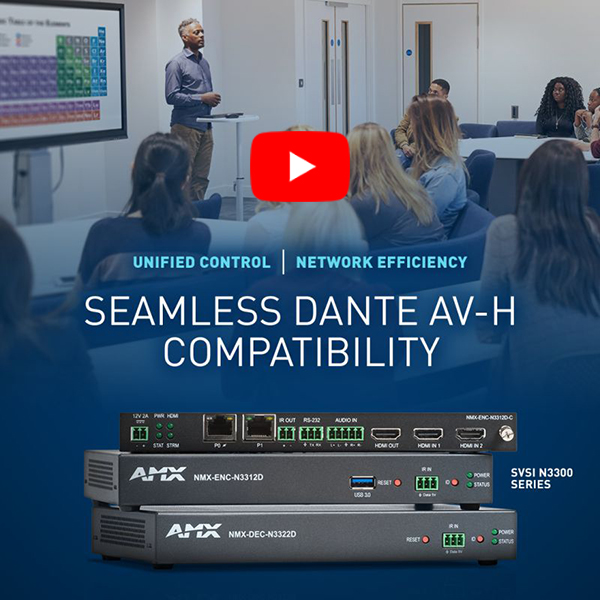
Dive into our Intro to Dante AV Webinar to get the most out of Audinate’s Dante AV networking products when designing and installing systems using AMX SVSI N2600, N3300, and other AMX Networked AV solutions.
A: It is difficult to find an application that wouldn’t benefit from the flexibility of networked AV and the N2600 Series’ feature set. However, a standout use case is campus-wide AV distribution. Our customers value integrated Dante Audio, streamlined maintenance via our N-Able software, and our “Low Power Mode,” for supporting sustainability efforts and reducing energy use and operational costs.
Q: How does the N3300 Series’ ability to deliver video over lower bandwidths make it ideal for streaming to desktops, mobile devices, or across WANs?
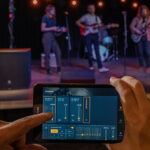
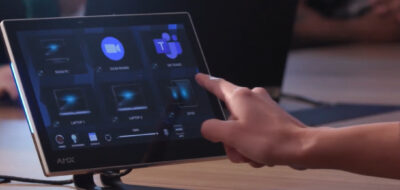
A: The widespread adoption of H.264 and H.265 compression opens up new possibilities and broad compatibility with many devices and applications. For example, an H.264 camera stream can be displayed via an N3300 Series decoder, while an AMX Varia touch panel or tablet can serve as a confidence or preview monitor for the camera source. Streaming to desktops or online platforms like YouTube is quick to set up, and unicast streaming enables transmission to remote locations over WANs.
Evaluating Best Use Cases
Q: What factors most determine whether 1G or H.26x will be a better fit for the end user?
A: It is important to first clarify the intended application and use cases with the customer. What types and quantity of sources and destinations will be used? Will USB be a requirement for this application? Then, you should assess whether the existing network infrastructure can support the AV over IP system. If the current network lacks capacity or isn’t intended for AV system use, deploy a dedicated AV network.
Q: What are the similarities between AMX’s N2600 and N3300 solutions?
A: Both offer versatile, easy-to-deploy designs using standard data network infrastructure. Tools like N-Able and Manager streamline installation and management. Both support Dante audio, as well as HControl for seamless native integration with AMX MUSE control systems. Additionally, open control protocols streamline third-party integration which enhances AV integration flexibility across various system designs.
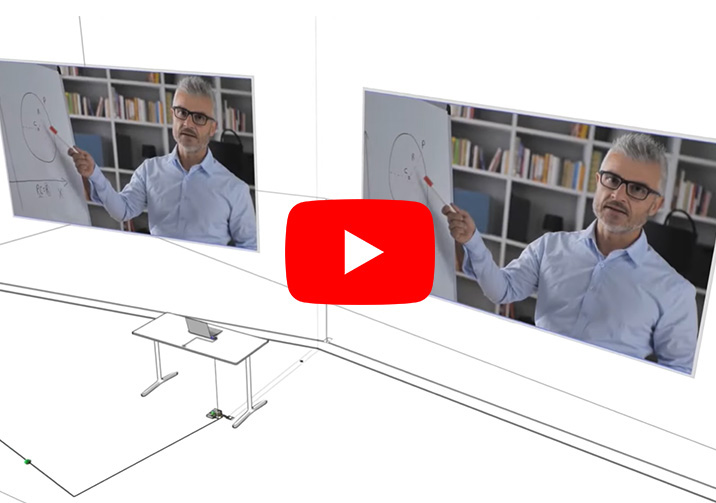
Did you Know? You can customize the secondary stream on N2600″S” models and ease the user experience. Watch to learn more.
Q: Can N2600 systems be used with N3300 systems?
A: Absolutely. N2600 encoders can deliver a secondary H.264 or H.265 stream at HD resolution to N3300 decoders. Likewise, N2600 decoders can receive an HD H.26x stream from an N3300 encoder.
Explore Further
As organizations continue to demand more flexibility, AMX continues to innovate networked AV solutions for scalable video delivery. Explore further, and connect with our solutions experts when you’re ready—we’re here to help.
Details and Resources
- N2600 Series (1G)
- N3300 Series (H.26x)
- All AMX Networked AV Encoding and Decoding Solutions
- AMX Video & Control Portfolio
- AMX Insights Blog Articles
- Case Studies
- Training Resources
- Anytime Help Center
READY TO TALK TO A SOLUTIONS EXPERT?
We’d love to discuss your projects and ideas. To locate a representative near you, please visit our WORLDWIDE LOCATOR.
Connect with Us:
- Sign up to receive our latest updates via email
- Get notified of our latest videos to debut on YouTube