
Recording studios are places where imagination and structure come together to empower the most successful outcomes. It’s where the sound you imagine and envision can be captured and fully realized. Preparation sets the stage, inspiration drives the process, and every moment spent is an opportunity to move your sound forward.
To help creators make the most of their time no matter what type of studio they’re working in, studio engineer, artist, and producer Oliver Roman shared his thoughts on five essential tips for maximizing studio creativity and productivity as part of our AKG Sounds from the Studio Series.
Drawing from years of experience working with musicians across many genres, Oliver shares practical preparation strategies that balance technical readiness with creative freedom. Let’s dive in.
#1: Review Session Requirements
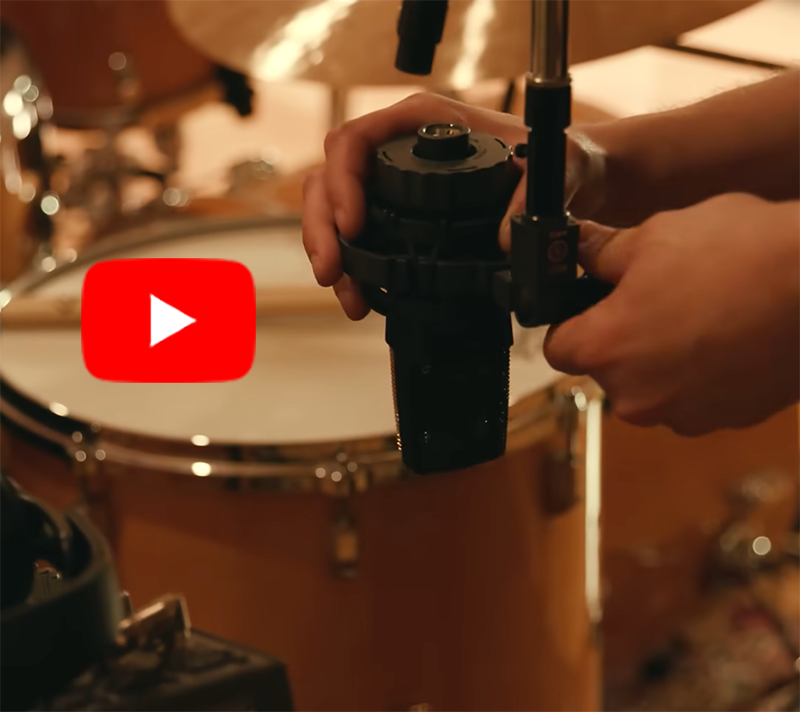
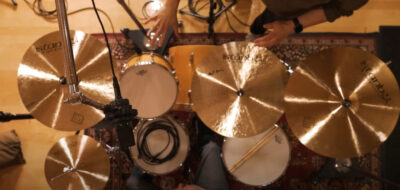
For an inside tour on capturing the best drum mic sounds, check out Oliver’s placement strategies using the legendary ‘Glyn Johns Drum Mic Technique‘ as part of our AKG Sounds from the Studio Series.
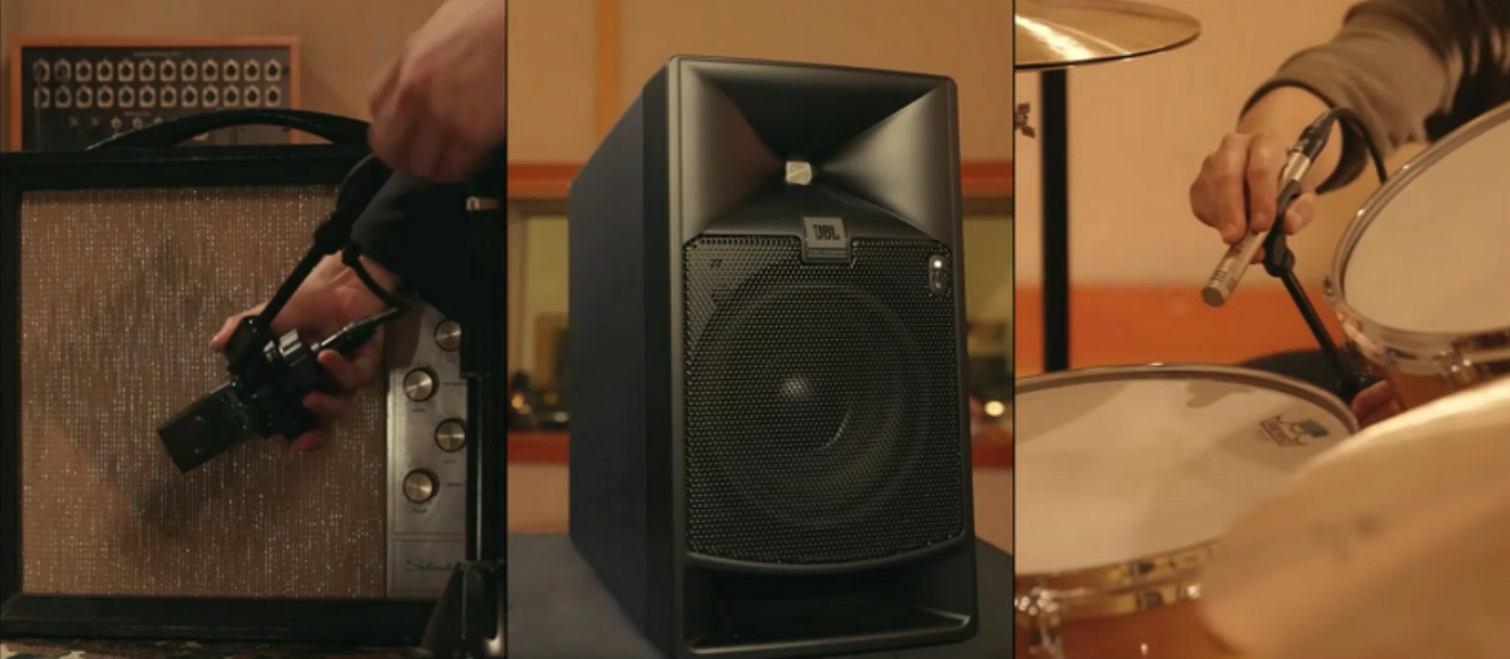
One of the most common studio pitfalls is musicians arriving without the right gear or setup. Oliver shared: “Whether its bringing microphones, guitar amps, drum kits, or studio monitors – if you have it all ready beforehand, it will make the recording process a lot easier.”
But preparation goes beyond typical gear. Think about accessories and backups like extra cables, fresh batteries, spare strings, and drumsticks. Even small items can derail a session if they’re missing, costing you valuable session time and costs, not to mention shuttering creative workflow.
It’s also advisable to create a checklist that you can run through before you head into the studio. This not only reduces stress but also ensures you can walk in confident and focused.
#2: Define Clear Goals Before You Arrive
Oliver emphasized that clear goal-setting can often direct the quality of a productive session: “It’s really important to tell your engineer what you’re doing before you get there—whether it’s recording, mixing, or mastering. If you can figure it all out beforehand, it will save you time and money.”
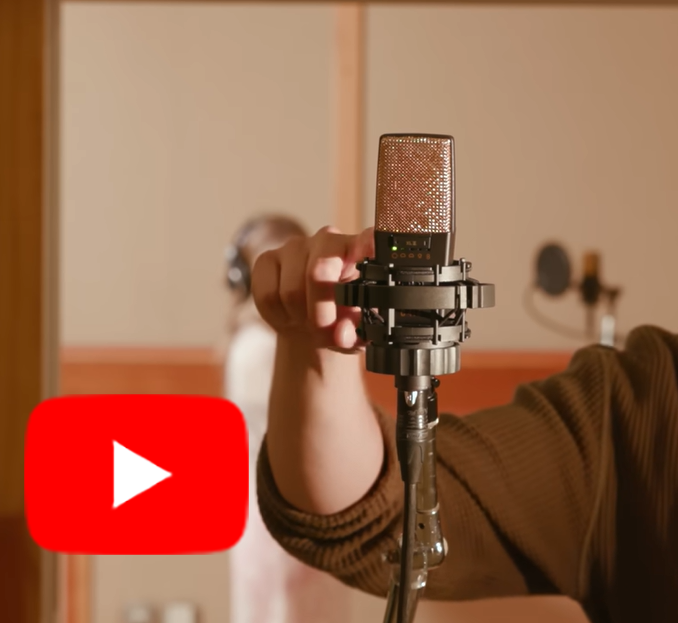
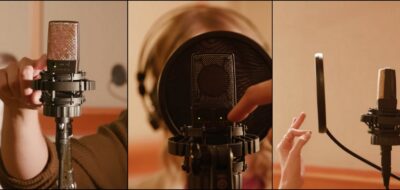
Capturing room ambience as well as the vocalist is an important technique. In ‘Sounds from the Studio: Ambient Room Mic Technique‘ Oliver demonstrates how to use an AKG C414 XLII microphone to capture vocals with a unique perspective.
Writing down your objectives before the session can also be helpful such as:
- What songs or parts will you record?
- What’s the desired sound or vibe?
- What’s the timeline for completion?
This roadmap keeps everyone aligned and prevents costly detours.
#3: Be Well-Prepared and Rehearsed for Your Session
Preparation extends to performance. Oliver advises: “Know the arrangements of the song before you get to the studio. Are you recording with a full band or individually? This will help you save time later on.”
Getting ready for the studio takes more than practice — it’s about feeling confident and making sure the performance feels natural. Whether you’re working alone or with others, spending time to connect with the music will help you walk into the studio ready to create.
#4: Optimal File Management and Backup
Technical organization is often overlooked, but Oliver insists it’s essential: “File management will save you from headaches later on. Backing up your drive will allow you to take your session wherever you go next.”
Beyond storage, file naming conventions also matter. Avoid vague titles like “Track 1” or “Final Mix.” Instead, use descriptive names such as “SongName_GuitarSolo_V2.” This small step saves confusion and keeps your workflow smooth. Additionally, a clear folder structure such as: Project Name → Song Title → Date → Instrument/Track Version can help to ensure more efficient and streamlined file management. This makes it easy to locate files months later, whether you’re revisiting a mix or collaborating with another studio.
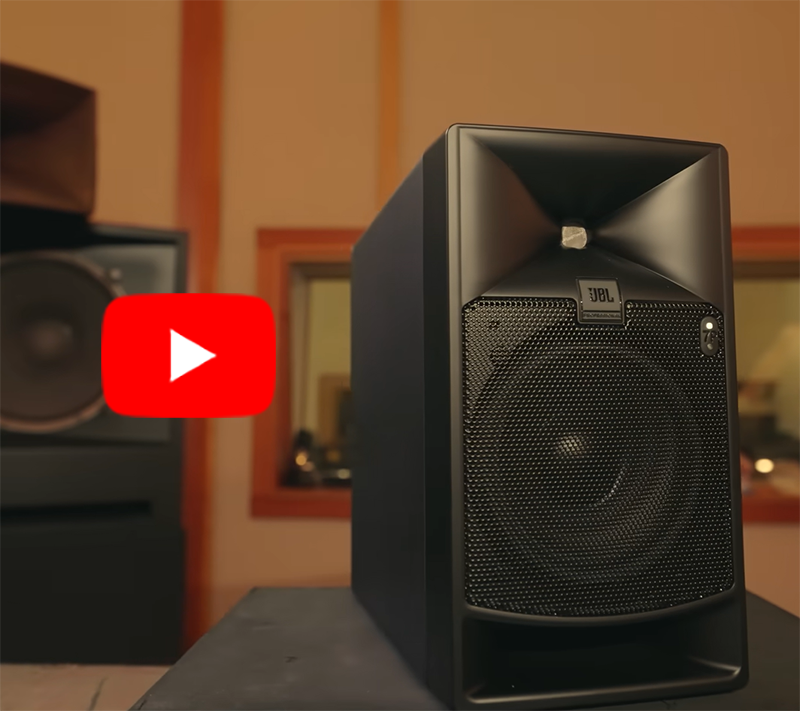
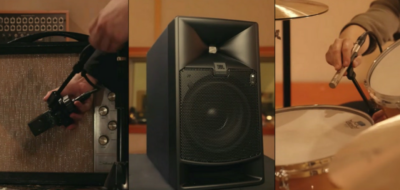
Having the right studio monitors in place can often make all the difference in a successful session. In ‘Sounds from the Studio: Selecting Studio Monitors‘, Oliver discusses tips on monitor selection and configuration for any setup. He also shares several active and passive studio monitor recommendations including JBL 7 Series Master Reference Monitors and JBL 3 Series MkII Reference Monitors.
#5: Prioritize Creativity and Productivity
Finally, Oliver reminds artists that the studio is both a technical and creative space: “Ensure that every aspect of the session – from setup to goal alignment – supports both productivity and creative flow, so that you can make the most of your time in the studio.”
This balance means structuring your session to maximize efficiency while leaving room for inspiration. Some of the best studio moments often happen unexpectedly. You might capture a moment unexpectedly that becomes the highlight of the track. By creating a flexible workflow, you ensure those moments aren’t lost in the rush to stay on schedule.
To be successful in the studio, preparation can often be the key to unlocking creativity. By reviewing your requirements, setting clear goals, rehearsing thoroughly, managing files, and balancing productivity with inspiration, you’ll maximize your studio time and create space for your best music to emerge. The studio should be a place where ideas flow freely and visions come to life—so plan smart, stay focused, and let creativity happen.
Explore Further
Dive into our additional support resources:
-
- Vocal, Guitar, Drum & Other Mic Placement Videos
- Studio Monitor Selection and Configuration Videos
- AKG C414XLS, C414XLII, C451B, D112, and more AKG professional microphone solutions
- JBL 7 Series Master Reference Monitors, 3 Series MkII Reference Monitors and the full portfolio of JBL studio monitor solutions
- More AKG Microphone and Headphone articles
Ready to Talk to a Solutions Expert?
We’d love to discuss your projects and ideas. To locate a representative near you, please visit our WORLDWIDE LOCATOR.